
+86-15889559416
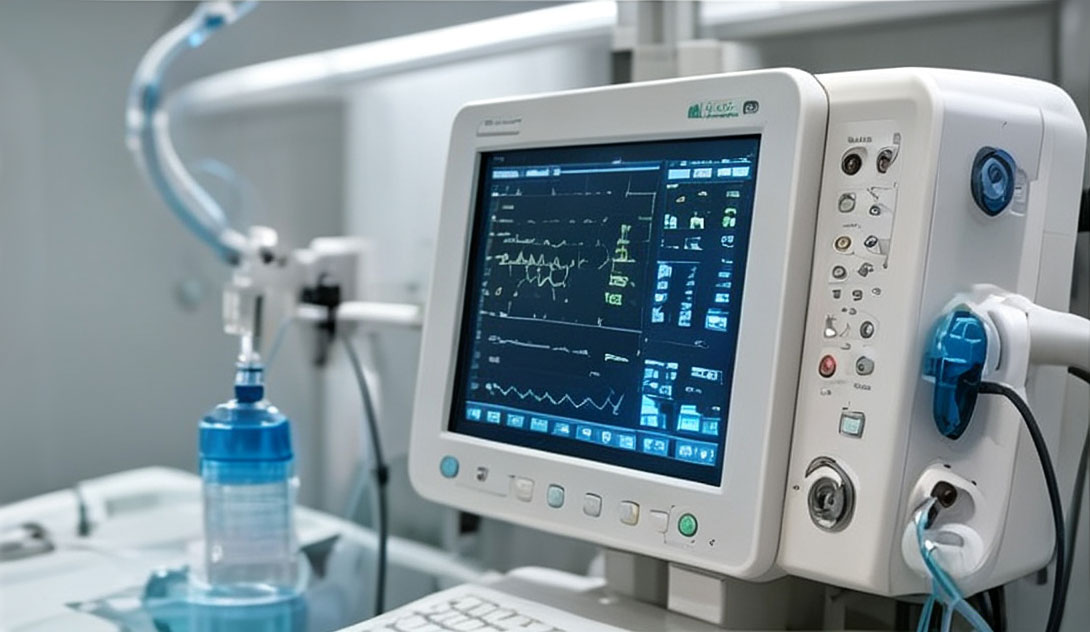
In modern healthcare systems, buzzers serve as critical acoustic indicators, widely used in medical equipment for status alerts, alarm warnings, and human-machine interaction. From bedside monitors to surgical instruments, from portable diagnostic devices to large imaging systems, buzzers deliver precise and reliable audio feedback, providing real-time information to healthcare professionals, supporting clinical decision-making, and ensuring patient safety.
In modern healthcare systems, buzzers serve as critical acoustic indicators, widely used in medical equipment for status alerts, alarm warnings, and human-machine interaction. From bedside monitors to surgical instruments, from portable diagnostic devices to large imaging systems, buzzers deliver precise and reliable audio feedback, providing real-time information to healthcare professionals, supporting clinical decision-making, and ensuring patient safety.
In ECG monitors, pulse oximeters, and blood pressure monitors, buzzers emit tiered alarm tones when vital signs — such as heart rate, SpO2, or blood pressure — exceed safe thresholds, alerting healthcare staff to intervene promptly. Different frequencies and rhythms distinguish urgency levels, ensuring critical alerts are never missed.
During anesthesia monitoring and mechanical ventilation, buzzers signal dangerous conditions such as airway pressure anomalies, insufficient tidal volume, or oxygen concentration deviations. The sound must be clear and stable, easily distinguishable amid the complex ambient noise of an operating room.
In portable and home healthcare settings, buzzers provide operation confirmation tones (e.g., key press feedback, measurement complete prompts) and anomaly alarms (e.g., low battery, sensor malfunction). The sound should be pleasant and non-startling, while maintaining ultra-low power consumption to extend battery life.
In ward call systems, buzzers work with indicator lights to provide audio-visual alerts for patient calls, enabling nurses to quickly locate the requesting room. In nurse-patient intercom systems, buzzers provide audio feedback for call connection and call termination.
In medical instrument sterilization processes, buzzers indicate equipment status (e.g., heating, pressure holding, cooling complete) and fault conditions (e.g., door not latched, temperature overrun), ensuring the safety and traceability of the sterilization cycle.
The medical environment demands the highest hygiene standards. Buzzer housings should be made of antimicrobial materials with smooth, crevice-free surfaces that can withstand frequent wiping with alcohol-based or chemical disinfectants without degradation.
Medical equipment operates 24/7. Buzzers must boast a service life exceeding 100,000 hours and remain stable in high-temperature, high-humidity environments with frequent exposure to disinfectant chemicals.
For portable and implantable medical devices, buzzer standby current must be ultra-low (microamp-level), with sound only activated during alerts or prompts, maximizing device battery life.
Medical-grade buzzers must comply with IEC 60601-1 and other medical electrical equipment safety standards, ensuring electrical safety and electromagnetic compatibility (EMC) in patient-contact scenarios.
Alarm tones in medical environments must comply with standards such as AAMI EC11. The frequency range typically falls within 2000Hz–4000Hz (the human ear's most sensitive range), with adjustable volume that must not be excessively harsh, avoiding auditory discomfort to patients and staff.
Our Support Team are always ready to Contact with You
+86-15889559416
+853 62435202
449A, Beike Building, No. 59, Gaoxin South 9th Road, High-tech Zone, Yuehai Street, Nanshan District, Shenzhen, Guangdong Province, China
 WhatsApp
 WeChat